
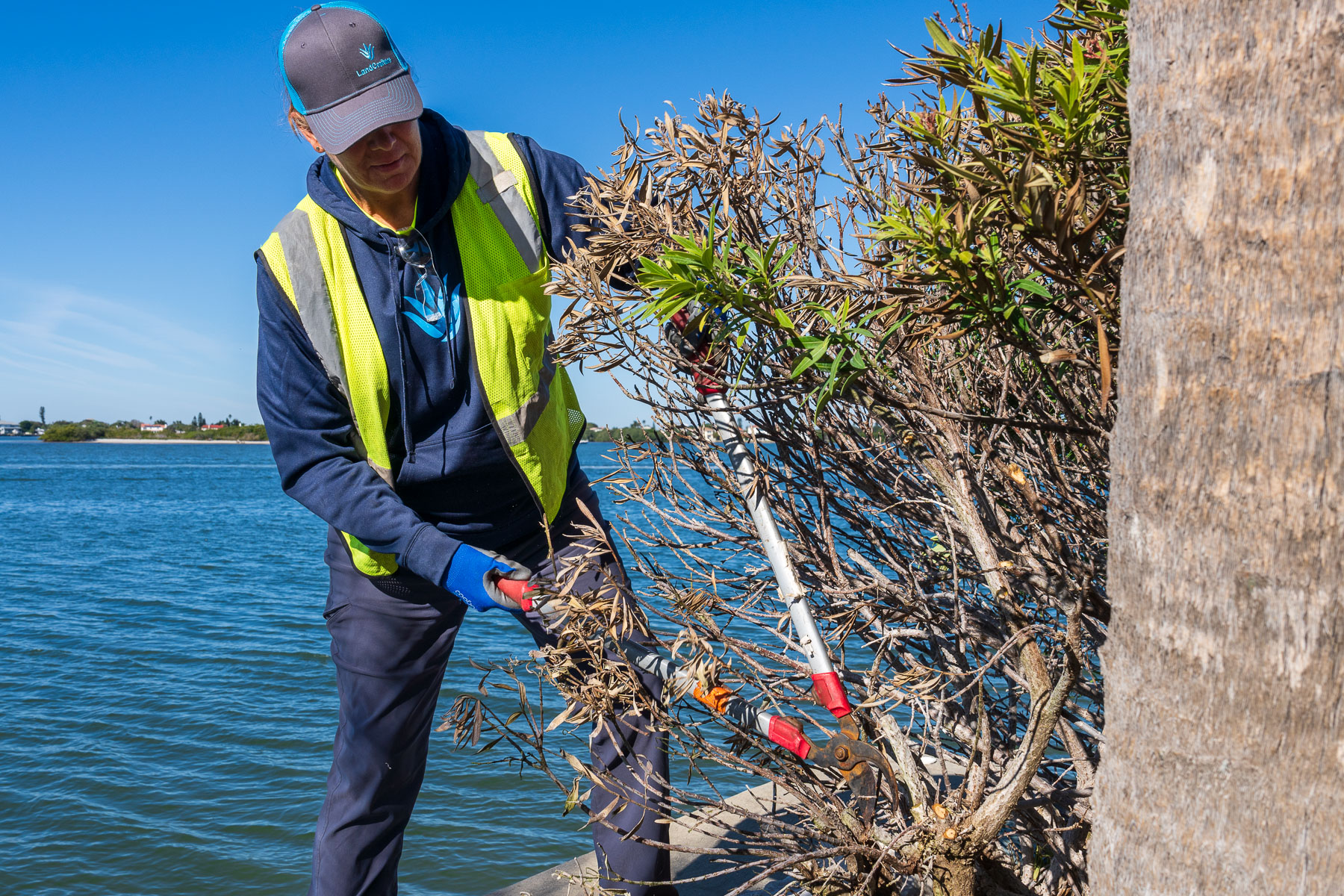
Why Winter Is the Best Time to Prune Plants in Florida
 Michael Tomaino
Pruning is one of the most talked‑about — and debated — practices in landscaping. Some believe pruning should happen year‑round, while others swear by seasonal timing. From a Florida landscaping perspective, however, one thing is clear: for many plants, mid‑to‑late winter is the most effective and least stressful time to prune.
That doesn’t mean every plant should be pruned in winter, and it certainly doesn’t mean pruning should be aggressive. But when done correctly and at the right time, winter pruning can set your landscape up for healthier, more controlled growth when spring arrives.
Here’s why winter pruning works so well in Florida — and what you should know before picking up the shears.
Why Winter Is an Ideal Time to Prune in Florida
Even though Florida doesn’t experience harsh winters like northern states, many plants still slow their growth during the cooler months. This period of reduced activity makes winter an excellent time for structural pruning.
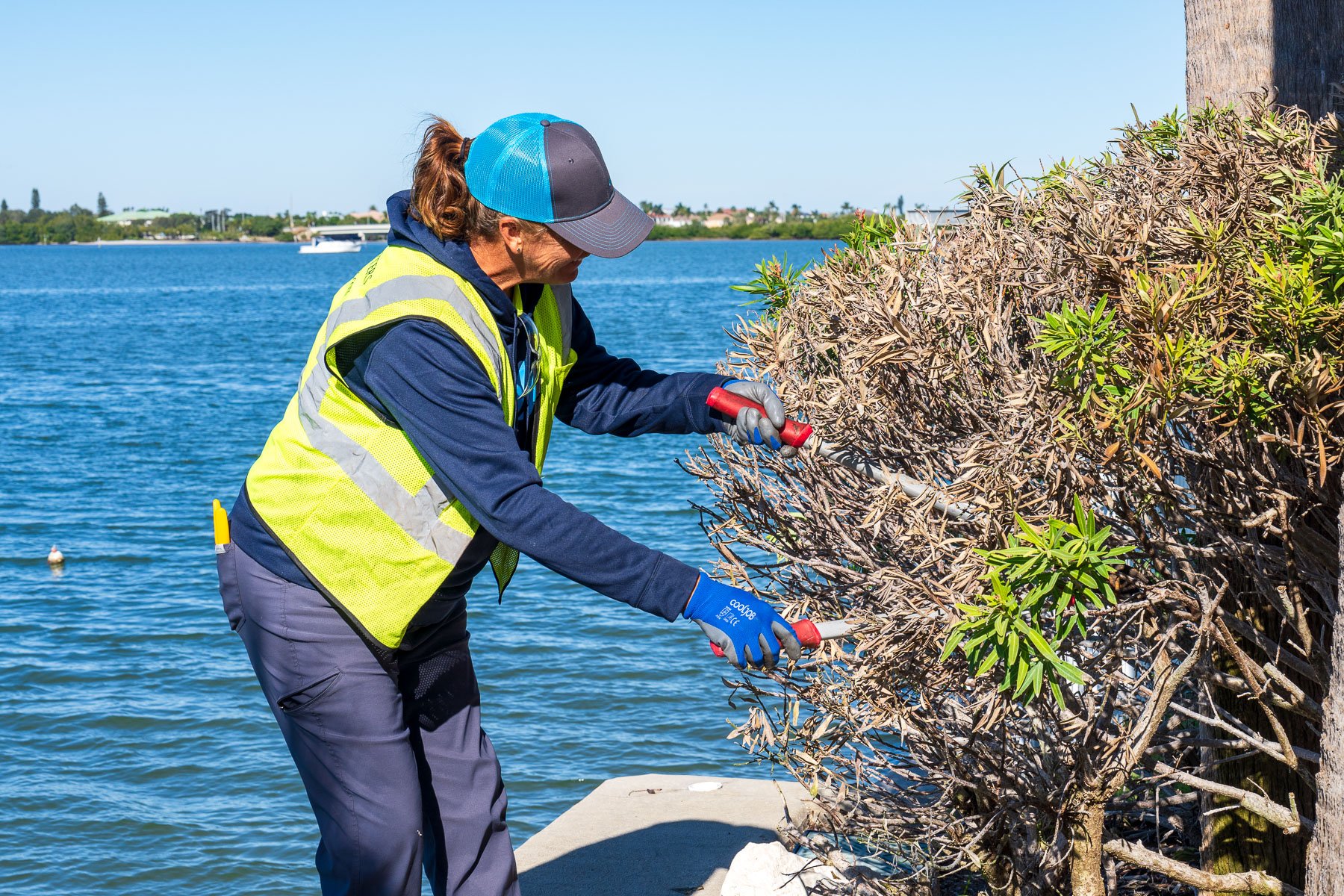
One major advantage of winter pruning is visibility. Many plants that drop their leaves during cooler months are bare, making it easier to see branch structure, identify dead or damaged limbs, and make clean, intentional cuts. Without dense foliage in the way, pruning decisions are more precise and less likely to harm the plant.
Another key factor is plant dormancy. While not all Florida plants go fully dormant, many experience a slowdown in growth during winter. Pruning during this phase allows plants time to recover before spring growth begins. When temperatures rise, the plant can redirect energy into new, healthy growth rather than trying to heal active wounds during peak growing season.
Winter also brings an added benefit: reduced pest and disease activity. Many insects and plant diseases are less active during cooler months, which lowers the risk of infestations or infections entering through fresh pruning cuts.
How Winter Pruning Supports Healthier Spring Growth
Proper winter pruning helps plants grow stronger and more attractively when spring arrives. By removing dead, damaged, or poorly placed branches, you allow plants to:
- Develop better structure
- Produce denser, more balanced growth
- Improve air circulation and light penetration
- Reduce safety risks from weak or overextended limbs
Pruning can also be used to control size, guide growth away from structures, and remove branches that pose a risk to people, buildings, or nearby utilities — especially important for HOA and commercial properties.
Winter Pruning Tips You Should Know
Pruning doesn’t need to be complicated, but it does require restraint and attention to detail.
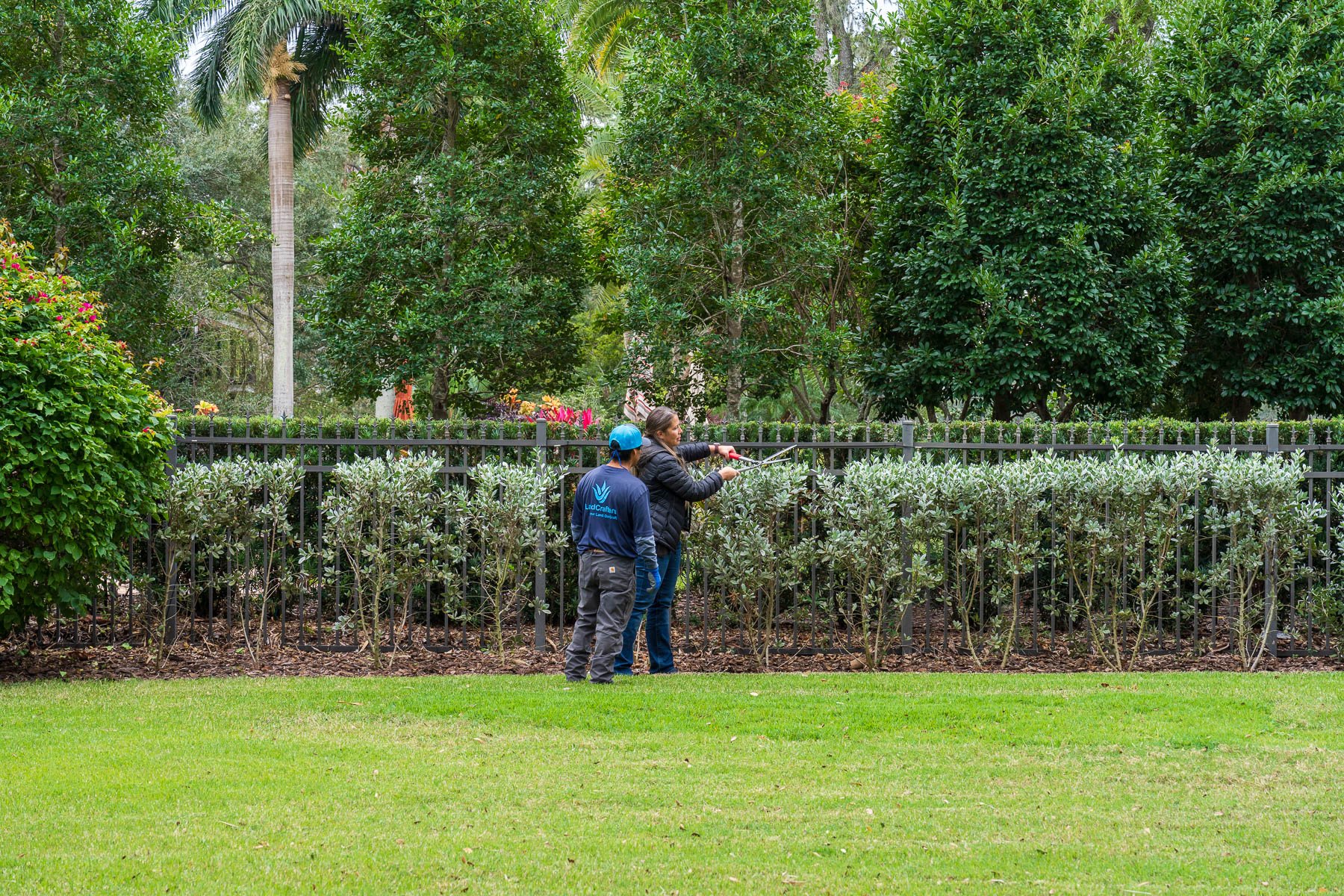
Avoid Pruning Plants That Are About to Bloom
Some plants — particularly those that bloom very early in spring — set their buds well before winter ends. Pruning these plants in winter can remove those buds and prevent flowering for the entire season. If a plant is already showing signs of budding or early bloom, it’s best to wait until after it flowers.
Disinfect Your Pruning Tools
Clean tools are critical. Using dirty or contaminated tools can spread disease from one plant to another. Disinfecting blades between cuts helps protect plant health and reduces the risk of infection — especially when pruning multiple plants.
Don’t Over‑Prune
More is not better when it comes to pruning. Excessive pruning can stress plants, delay recovery, and leave landscapes looking bare or unbalanced for extended periods. A good rule of thumb is to remove only what’s necessary to improve structure, health, or safety. It’s always better to under‑prune and revisit later than to remove too much at once.
Over‑pruning is one of the most common mistakes made by inexperienced pruners. While most plants can tolerate minor mistakes, aggressive pruning often leads to awkward regrowth or long recovery times.
When to Handle Pruning Yourself — and When to Call a Professional
Light pruning of small shrubs or garden plants can often be handled by homeowners, provided proper techniques and timing are followed. However, professional help is strongly recommended for:
- Large trees
- Plants near buildings or utilities
- HOA common areas
- Commercial properties
- Situations involving safety risks or heavy equipment
Professional landscapers have the training and tools to prune safely, identify plant‑specific needs, and avoid damage that could take years to correct.
Preparing Your Landscape for the Growing Season
Winter pruning isn’t just about cutting back plants — it’s about preparing your landscape for what comes next. Thoughtful pruning during the cooler months allows plants to enter spring healthier, stronger, and better shaped.
By focusing on structure, safety, and plant health during winter, you give your landscape the best possible foundation for the upcoming growing season.
Professional Winter Pruning Services in Tampa Bay
If you’re unsure where to start, or if your property requires expert attention, Landcrafters is here to help. With more than 25 years of experience caring for Florida landscapes, our team understands how and when to prune for long‑term health and visual appeal.
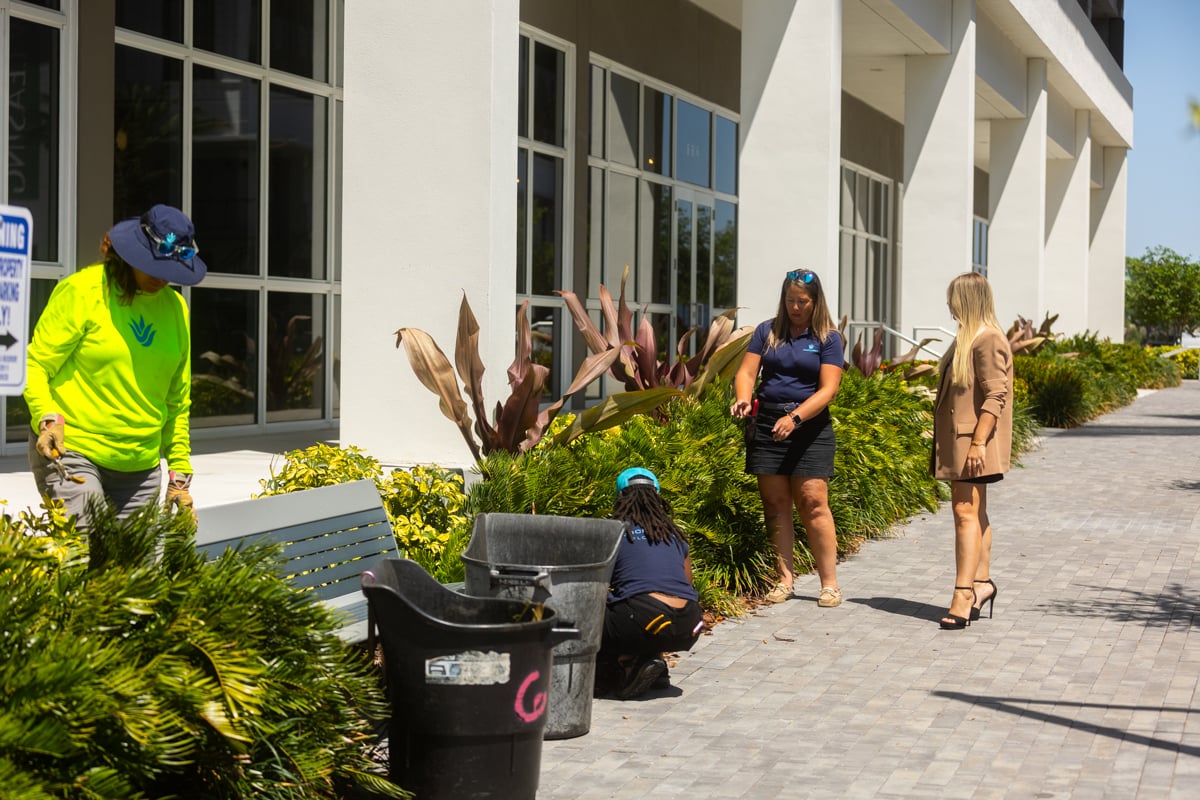
From small shrubs to large trees and expansive HOA properties, we provide professional pruning services tailored to Tampa Bay’s climate and plant varieties.
If you’d like expert help with winter pruning — or want to ensure your landscape is prepared for spring — contact Landcrafters today. Our team is happy to answer questions, provide guidance, and take the work off your plate so you can enjoy a healthier, more beautiful landscape.

Michael Tomaino
Head Gardener for Landcrafters, Inc. Michael Tomaino, a cornerstone of Landcrafters since its inception, oversees all aspects of business operations with a wealth of experience. With years of adept team management and leadership under his belt, coupled with a robust educational background, both within and beyond the industry, Michael is dedicated to steering Landcrafters towards becoming the foremost landscape management provider in the Tampa Bay Area.