
Is Your Landscape Over Mulched? 6 Signs to Watch For
 Michael Tomaino
Mulch is a powerful tool in any Florida landscape — especially here in Tampa Bay, where high humidity, intense heat, and frequent rain make moisture control and weed suppression essential. But when it comes to mulch, more isn’t always better.
We often see both homeowners and property managers unknowingly dealing with the consequences of over mulching. While mulch offers major benefits like moisture retention, soil insulation, and visual polish, applying too much can suffocate plants, attract pests, and create long-term problems for your landscape.
Whether you manage an HOA property or care for your own yard, here are six key signs your landscape may be over mulched — and what to do about it.
Why Proper Mulch Levels Matter in Tampa Bay
Mulch works by mimicking nature — creating a protective barrier over the soil to suppress weeds, retain moisture, regulate temperature, and slowly enrich the soil as it breaks down.
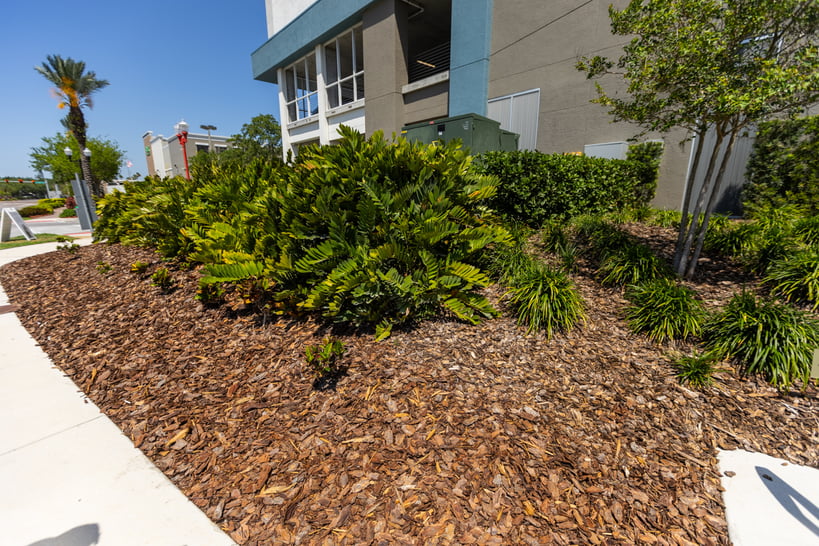
But in a climate like Tampa Bay’s, with regular rain and high humidity, excessive mulch traps moisture and blocks airflow. Over time, this can lead to root rot, fungal growth, and pest infestations — especially if mulch is piled against tree trunks or laid too thick.
The good news? Over mulching is fixable — if you know what to look for.
1. You Can’t See the Root Flares
The root flare is the spot where a tree trunk widens and roots begin to branch out. It should be clearly visible at the base of the tree. If mulch is piled so high that it covers the root flare, you’ve got a problem.
Trees need oxygen exchange at the root flare. Covering this area suffocates the roots, traps moisture, and encourages disease. Long-term, it can even kill mature trees. If you can’t easily see where the trunk meets the ground, your mulch may be too thick — or applied too close.
2. Rotting Flower Stems
Mulch helps plants retain moisture — but too much of it pressed up against stems does more harm than good. If you notice wilting flowers, soft stems, or browning near the base of plants, excessive mulch could be the culprit.
Over mulching causes moisture to collect around stems and roots, which encourages rot, mold, and fungal disease. In Florida’s warm, wet conditions, this can escalate quickly. Your mulch should surround your plants, not bury them.
3. Mulch Volcanoes Around Trees
A mulch volcano happens when mulch is piled high in a cone shape around the base of a tree — and it’s one of the most common signs of poor mulching.
It might look tidy, but it’s a fast track to long-term damage. These volcanoes trap moisture against the bark, creating a perfect environment for disease and insects. The bark softens, pests take hold, and oxygen can’t reach the roots.
Proper mulching forms a donut shape, leaving a few inches of bare space around the trunk and spreading mulch evenly outward — not upward.
4. Soggy Soil and Drainage Problems
Does your mulch bed feel soggy, even days after it rains? That might not be a drainage issue — it could be over mulching. In Tampa Bay, with our regular afternoon storms and dense humidity, thick layers of mulch can hold too much water.
This creates compact, waterlogged soil that suffocates roots and creates anaerobic conditions — leading to root rot, poor nutrient uptake, and fungal growth. Mulch should help your soil breathe, not drown it.
5. Mold, Mildew, or Insect Activity
If you’re spotting mushrooms, mold, or mildew growing through your mulch — or noticing a sudden uptick in pests — that’s a red flag. Decomposing mulch that stays too wet creates an ideal environment for pests like termites and ants, as well as fungi and bacteria.
Mulch should break down slowly over time. When overapplied or too dense, it starts decomposing in place — encouraging unwanted growth and infestations, especially near your foundation or trees.
6. Yellowing Leaves, Smaller Growth, or Leaf Drop
Plants showing signs of stress — like early leaf drop, smaller leaves, yellowing, or dead branches — may be struggling due to root suffocation or poor nutrient uptake caused by excess mulch.
These symptoms are common in landscapes where roots are choked under heavy mulch, especially if signs like soggy soil or stem rot are also present. Left unchecked, this can lead to serious decline or plant death.
How Much Mulch Is Too Much?
Most Florida landscapes do best with 2 to 3 inches of mulch in planting beds. Around trees, mulch should never touch the trunk — leave a 2–3 inch mulch-free buffer and spread the mulch out evenly, not stacked up.
Applying mulch once or twice a year is plenty — over-mulching often comes from reapplying too frequently without removing old material. If you’re not sure how much is already there, test by pushing aside mulch to check depth.
What to Do If You’ve Over Mulched
- If you recognize any of the signs above, here’s how to fix the issue:
- Remove excess mulch, especially near trunks or stems.
- Break up compacted mulch layers to allow better airflow and drainage.
- Inspect plant health and prune away damaged growth.
- Reapply mulch correctly — 2–3 inches deep, keeping clear of bark and stems.
- Switch to slower-decomposing mulch types, like pine bark, for longer-lasting results.
Why Mulch Maintenance Matters in Tampa Bay
In the Tampa Bay area, proper mulch application is more than just curb appeal — it’s a key part of plant health. Our tropical climate accelerates rot and pest activity, especially when landscapes are over mulched.
For HOA properties, commercial sites, and residential homes alike, maintaining the right mulch levels can save you from costly plant loss and unnecessary landscape repairs.
Trust Landcrafters to Keep Your Mulch in Check
Whether you’re starting fresh or dealing with years of over mulching, Landcrafters can help. Our team has more than 25 years of experience maintaining healthy, beautiful landscapes across Tampa Bay — from mulch installation and reduction to full property care plans.
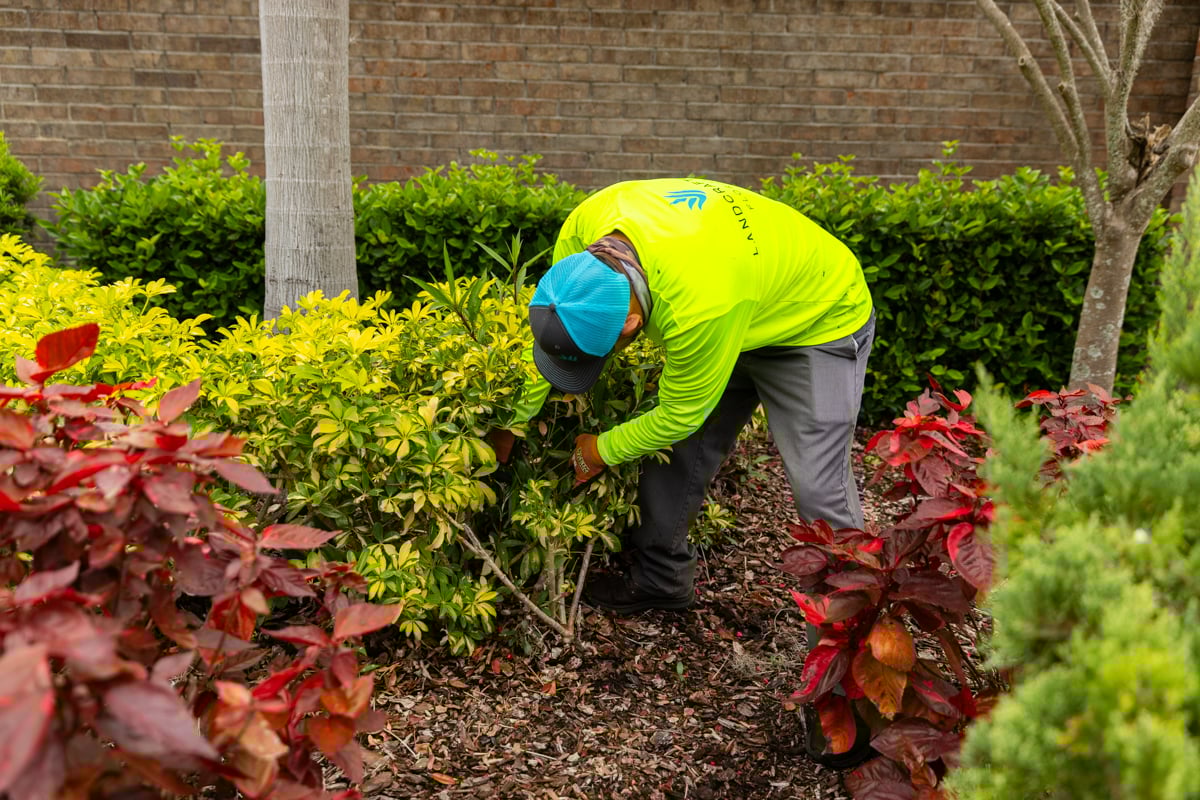
We specialize in identifying landscape issues before they become expensive problems — and we’re happy to put our expertise to work for your property.
Contact us today to schedule a mulch consultation or property assessment. Let’s make sure your landscape is set up for long-term health, not hidden damage.


Michael Tomaino
Head Gardener for Landcrafters, Inc. Michael Tomaino, a cornerstone of Landcrafters since its inception, oversees all aspects of business operations with a wealth of experience. With years of adept team management and leadership under his belt, coupled with a robust educational background, both within and beyond the industry, Michael is dedicated to steering Landcrafters towards becoming the foremost landscape management provider in the Tampa Bay Area.